By Carol Dodd
Have you ever had a broken heart and felt like a heavy weight was resting on your chest? That feeling wasn’t just in your head.
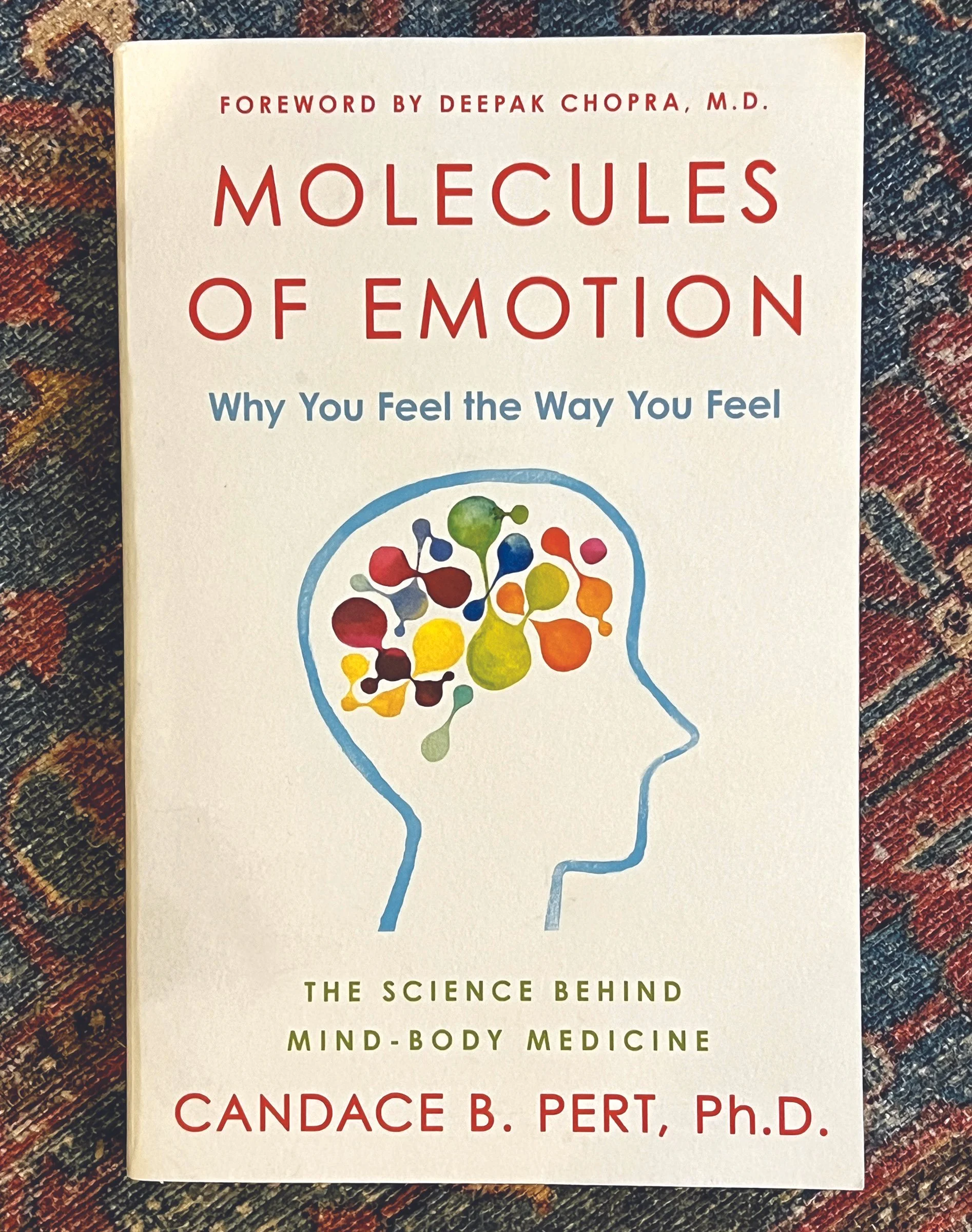
Candace B. Pert, PhD, a neuroscientist, is the author of “Molecules of Emotion.” In her book, she explains how emotional trauma can be chemically felt as physical pain. She demonstrates how traumatic emotional information is carried by hormones, neuropeptides, or neurotransmitters to physical receptor sites on organs and tissues throughout our bodies. We perceive this “reception” of these messengers as physical pressure, tightness, heaviness, or pain, and most emotional trauma—heartbreak, grief, shame, betrayal, broken trust, abandonment, etc.—mimics this same phenomenon.
Pain does not equal happiness, so as your favorite Happiness Curator, I would like to suggest an addition to Pert’s ideas. It makes sense to me that the same chemicals that put the pain there could be used to remove it. To convince you that my plan will work, I broke down the top six chemicals in question. I explain how they cause pain and show what we might try to “detach” them from their receptors.
1. Cortisol and 2. Adrenaline prepares you to survive danger. When something threatening, heartbreaking, or destabilizing happens, these hormones stay elevated, sensitizing pain pathways and making the body hyper-reactive. That’s why everything hurts more after emotional shock.
Try shaking with exaggerated, harsh flailing of your arms and legs until fatigued, then follow with slow rhythmic breathing. This lowers cortisol and adrenaline and signals the end of danger.
3. Endorphins are your body’s emergency painkillers. That is why people often appear numb after trauma. Later, when endorphins drop, it can cause muscle aches, tight jaws, or chest pain.
Try slow repetitive physical actions, or a low attention hobby to trigger endorphin release and re-stabilize the system.
4. Dopamine doesn’t cause pain directly, but trauma disrupts its normal rhythm. When dopamine becomes erratic, motivation collapses, and everything feels harder.
Try a series of small actions with a start and finish, like making the bed, folding laundry, or even walking to get the mail. Success brings dopamine.
5. Serotonin stabilizes mood and gives a sense of “I’m okay.” Emotional trauma can lower serotonin signaling and increase rumination, despair, and bodily discomfort.
Try slowly and deliberately chewing gum, which sends a safe, fed, regulated signal to the brain.
6. Oxytocin supports bonding and safety. Loss, rejection, or betrayal reduces oxytocin signaling, making the body feel unsafe, and it interprets these sensations as pain more readily.
Try humming on the exhale or snuggling under an electric blanket to help increase feelings of safety and thereby regulate oxytocin.
Understanding our bodies’ chemical reactions helps us to realize that feeling emotions physically is not a character flaw but a normal bodily function. However, normal or not, we must remove this initial pain so we can get on with the choices and decisions that must be made for permanent healing. Next time trauma hits, don’t give in to it; take action against it. Happiness is waiting.